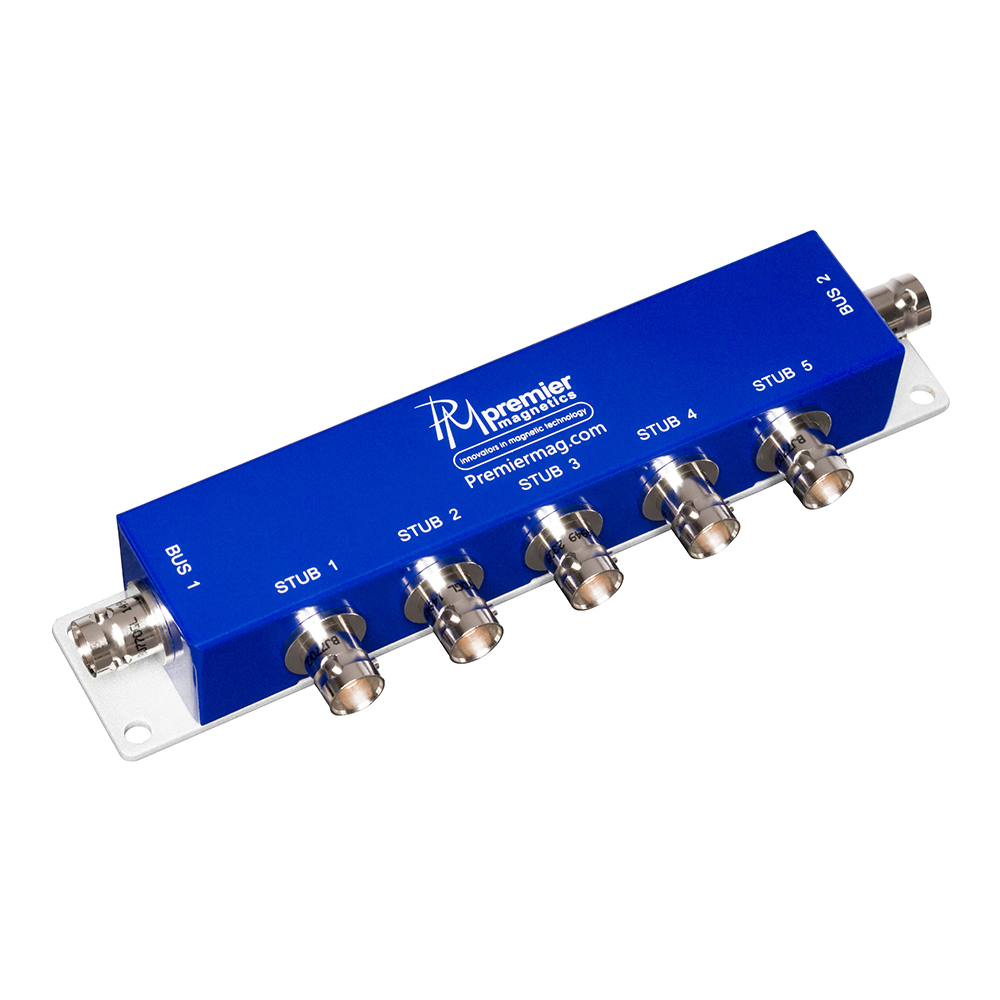




Inline data bus couplers play a crucial role in MIL-STD-1553 applications, which are used for communication between avionics subsystems and components in military and aerospace systems. Below we discuss some of the features and benefits of these devices.
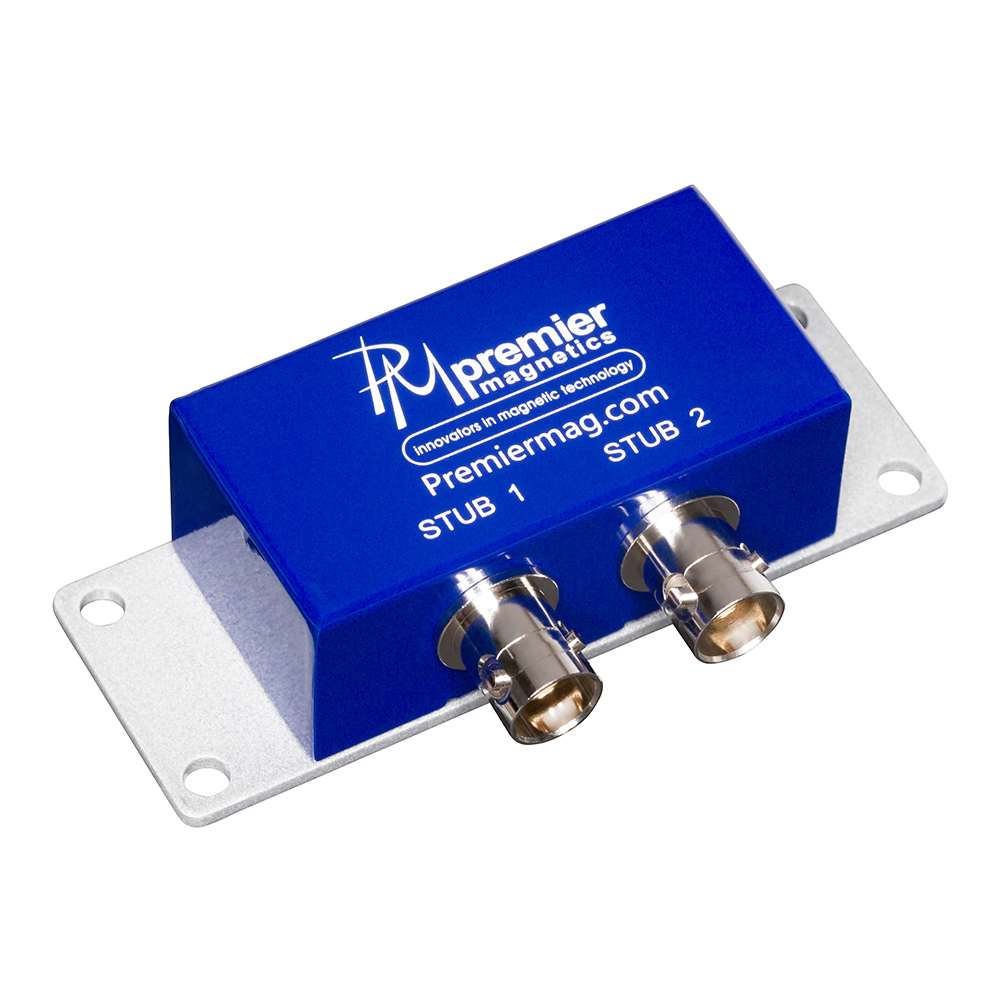
Box-style couplers with stubs are essential tools in MIL-STD-1553 applications as they provide a controlled and safe way to interact with the communication bus. Their ability to monitor, capture, inject, and analyze data contributes to effective system management, improved reliability, and better overall performance of avionic systems.
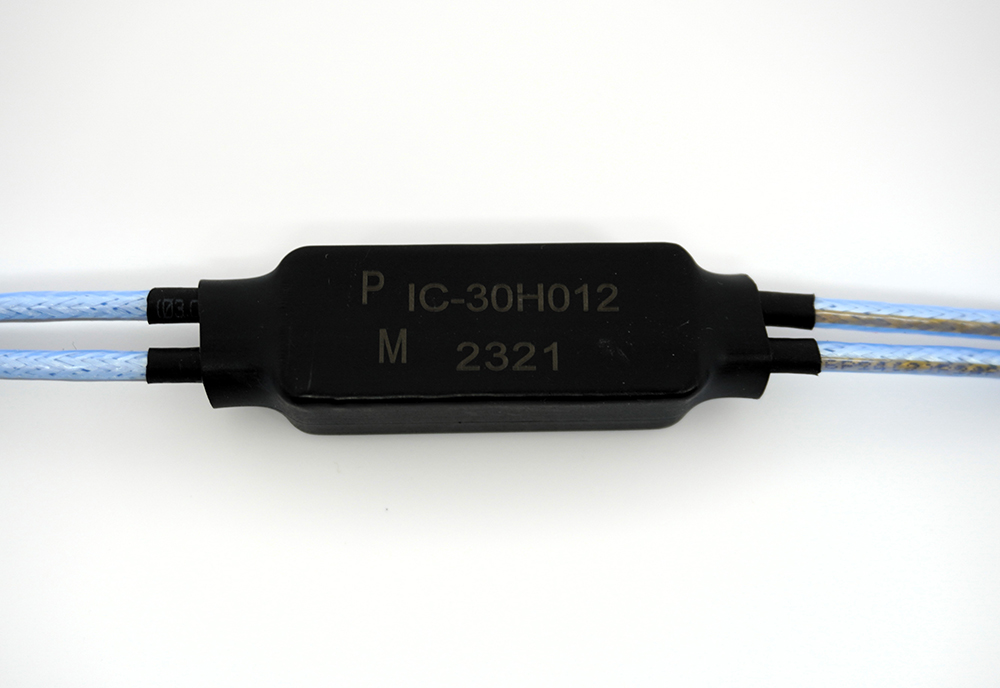
Some of the key benefits of inline data bus couplers for MIL-STD-1553 applications include:
- Isolation and Protection: Inline data bus couplers provide electrical isolation between different segments of the bus, protecting the integrity of the communication system. This isolation helps prevent signal interference, voltage spikes, and other electrical anomalies from affecting the entire bus.
- Segmentation and Redundancy: By using inline couplers, you can segment the data bus into different sections, allowing for increased redundancy and fault tolerance. If a failure occurs in one segment, the rest of the bus can continue functioning without interruption.
- Maintenance and Diagnostics: Inline couplers facilitate easier maintenance and diagnostics. When a fault or issue arises in a specific segment of the bus, you can disconnect that segment without affecting the entire system. This simplifies troubleshooting and reduces downtime during repairs.
- Testing and Development: Inline couplers enable the isolation of specific components or subsystems for testing and development purposes. This allows engineers to work on individual segments without disrupting the overall system, making it easier to develop and validate new components or software updates.
- Interoperability: In complex systems where multiple subsystems are involved, inline couplers help ensure interoperability between different segments of the data bus. Each segment can be tailored to the specific needs of the subsystem it serves, making it easier to integrate various components.
- Security: In military and aerospace applications, security is paramount. Inline couplers provide a level of security by isolating critical systems from potential threats, including unauthorized access or interference.
- Flexibility: Inline couplers provide flexibility in terms of system architecture and expansion. New subsystems can be added to the data bus without disrupting the existing communication links, allowing for the growth and evolution of the system over time.
- Reduced Signal Degradation: Long data bus lines can experience signal degradation due to factors like impedance mismatch and signal attenuation. Inline couplers help mitigate these issues by allowing the bus to be divided into shorter segments, reducing the overall length of the bus lines.
- Improved Signal Integrity: With electrical isolation and better control over the impedance of the bus segments, inline couplers can contribute to improved signal integrity, leading to more reliable and consistent communication.
- Compliance and Certification: Military and aerospace standards often require specific configurations and protections to ensure compliance and certification. Inline couplers can be designed and tested to meet these stringent requirements, contributing to overall system certification.
Key Features:
- Interference-Reducing − Couplers with built-in electrical termination to reduce electrical interference by minimizing signal reflection
- Suited for Your Network − One- and two-stub couplers for small networks, three- and four-stub couplers for larger networks
- Test-Friendly − Couplers ideal for testing purposes
- Self-Contained − Dual-terminated couplers that can be used as a self-contained, stand-alone bus network
- Interconnected − Three-stub and four-stub couplers that allow stub leads to communicate with one another

To ensure quality performance, our data bus transformers all meet the following specifications:
- Avionics
- Military vehicles
- Spacecraft
- Missile systems
- Ground support equipment
- Testing and simulation
- Radar systems
- Industrial automation and control
- Automotive testing and simulation
- Railway systems
- Medical devices
- Telecommunications
- Marine and offshore systems
- Research and development
- Maintain Impedance – with a transformer and fault-isolation resistors
- Eliminate Reflection – with built-in terminator
- Many Sizes – one to eight stubs, each with one, two, or no bus jacks
- Modular Configurations − single-, double-, or non-terminated
- Rugged – die-cast aluminum boxes ideal for military, aerospace, or commercial use